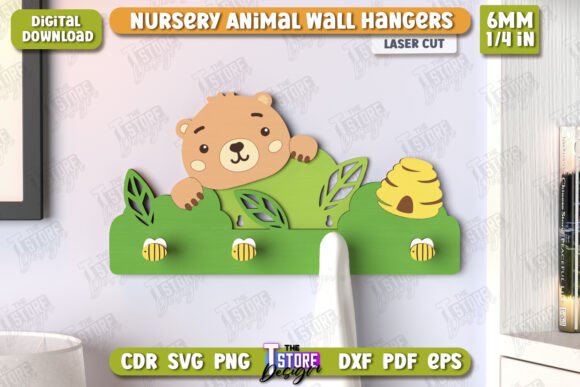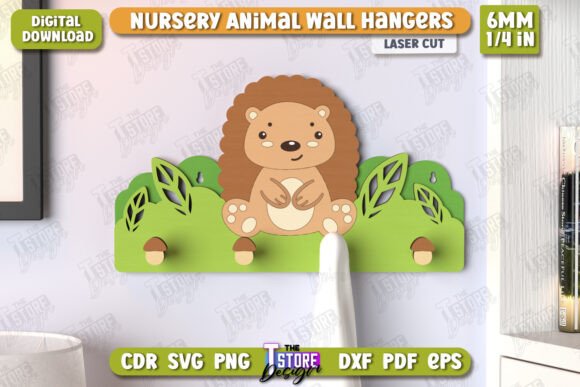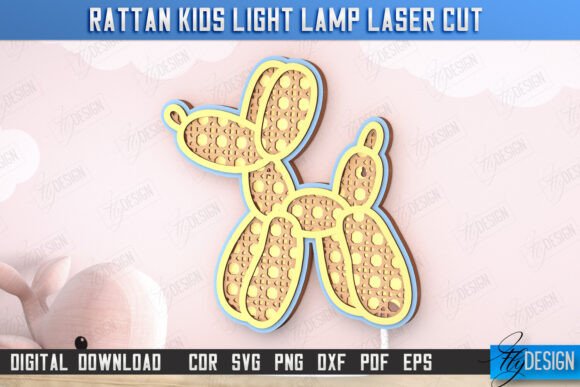
Kid's Shelf Laser Cut Nursery Décor Guide
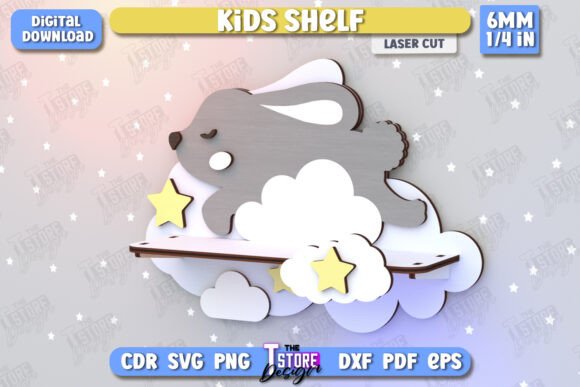
Creating a personalized space for a child is one of the most rewarding projects a maker can undertake. It blends functionality with deep emotional value, resulting in an item that serves a practical purpose while acting as a cherished keepsake. The Kid s Shelf Laser Cut Nursery Décor represents a perfect intersection of these goals. Whether you are a parent looking to build something unique, a hobbyist expanding your portfolio, or a small business owner seeking reliable digital assets, understanding the nuances of this project is essential for success.
This digital product is designed specifically for laser cutting machines, offering a streamlined path from file to finished physical object. However, the value of such a template extends far beyond the simple act of cutting wood or acrylic. It invites creators to consider material selection, assembly logic, and aesthetic customization. By exploring how different audiences interact with this type of project, we can better appreciate its versatility and utility in modern making.
Understanding the Digital Asset
At its core, this product is a comprehensive digital package intended for computer-controlled fabrication. It includes a zip archive containing five distinct file formats: SVG, EPS, PNG, PDF, and DXF. This variety ensures compatibility with a wide range of software ecosystems, from professional industrial tools to entry-level hobbyist applications.
The design logic is straightforward yet precise. The files utilize a standard color-coding system to guide the machine’s operations. RED lines indicate CUT paths, telling the laser where to sever the material completely. BLACK lines indicate ENGRAVE paths, directing the laser to etch details onto the surface without cutting through. This separation is critical for achieving clean edges and detailed textures in the final piece.
For those new to digital fabrication, it is important to note that software compatibility plays a significant role in the outcome. While most programs handle these vectors well, specific issues can arise. For instance, Lightburn, a popular laser control software, may sometimes distort the dimensions of files, particularly when using SVG formats. To mitigate this, users working with Lightburn are advised to use the DXF file format instead, as it tends to preserve dimensional accuracy more reliably. This kind of technical insight is invaluable for ensuring that the shelf fits together perfectly during assembly.
Perspectives for Beginners and Hobbyists
For beginners, the primary concern is often ease of use and the fear of wasting materials. A pre-designed template like the Kid s Shelf Laser Cut Rack Template Nursery Décor lowers the barrier to entry significantly. Instead of spending hours designing vector paths from scratch, a novice can focus on learning machine settings, material behavior, and assembly techniques.
- Learning Curve: Beginners benefit from the clear distinction between cut and engrave lines, which helps them understand how laser jobs are structured.
- Material Confidence: Starting with a tested design reduces the risk of structural failure, allowing new makers to experiment with different woods like plywood or MDF with greater confidence.
- Immediate Gratification: The ability to produce a functional, attractive item quickly encourages continued learning and engagement with the craft.
Hobbyists, who may have more experience but still prioritize personal enjoyment over commercial output, appreciate the flexibility these files offer. They might choose to modify the design slightly, perhaps adding a child’s name or changing the decorative elements. The inclusion of multiple file formats means they can edit the design in their preferred software, whether that is Adobe Illustrator, Inkscape, or CorelDRAW.
Value for Professionals and Small Business Owners
For professionals and entrepreneurs, time is money. The reliability and scalability of a digital asset are paramount. A Kids Room Book Rack CNC File that is well-optimized allows for rapid production runs. Business owners need to know that the files will not require extensive cleanup or adjustment before sending them to the machine.
The commercial value of this product lies in its finish quality and assembly efficiency. A shelf that slots together cleanly without excessive sanding or glue adjustments reduces labor costs. Furthermore, the aesthetic appeal of laser-cut nursery décor commands a premium in marketplaces like Etsy or local craft fairs. Parents are often willing to pay more for personalized, high-quality wooden items that are safe and durable.
Professionals also value the technical robustness of the files. The availability of DXF and EPS formats ensures compatibility with industrial-grade software. The note regarding Lightburn and SVG distortion is particularly relevant here, as it prevents costly errors in batch production. By choosing the correct file format, businesses can maintain consistent dimensions across hundreds of units, ensuring brand reliability.
Educators and Makerspaces
Educators and managers of makerspaces face a different set of challenges. They need projects that are safe, educational, and manageable within a group setting. The Kid s Shelf Laser Cut Nursery Décor serves as an excellent teaching tool. It demonstrates principles of joinery, vector design, and material science.
In an educational context, the project can be broken down into lessons. Students can learn about the difference between raster engraving and vector cutting. They can explore why certain materials work better than others for structural items. Additionally, the assembly process teaches spatial reasoning and fine motor skills. Because the design is pre-tested, educators can focus on instruction rather than troubleshooting flawed designs.
Consumers and Customization
Even for those who do not own a laser cutter, understanding the nature of these digital products can enhance the purchasing experience. Consumers who commission custom pieces from makers can better communicate their needs when they understand the limitations and possibilities of laser cutting. For example, knowing that intricate details are engraved while structural lines are cut helps in visualizing the final product.
Moreover, the option to request different file types or PNG colors indicates a level of customer service that benefits end-users. If a consumer wants a preview of how the shelf will look in a specific room setting, a customized PNG can provide a realistic mockup. This collaborative approach between creator and client ensures satisfaction and reduces the likelihood of misunderstandings.
Practical Considerations for Success
Regardless of your audience category, several practical steps ensure the best results with this product. First, always verify your machine’s compatibility with the chosen file format. As noted, DXF is often safer for dimension-critical tasks in certain software environments. Second, perform test cuts on scrap material to dial in power and speed settings. Different materials absorb laser energy differently, affecting both cut quality and engrave depth.
Third, consider the finish. Laser-cut edges can sometimes have char marks, especially on wood. Sanding these edges lightly before assembly can significantly improve the professional appearance of the shelf. Finally, think about the hardware. While many laser-cut shelves rely on friction fit joints, adding wood glue or small brackets can enhance longevity, especially if the shelf will hold heavy books.
If you encounter issues or need specific adjustments, reaching out to the designer is a viable option. Many creators are willing to assist with file modifications or provide guidance on specific use cases. This support network is a vital part of the digital making community, fostering growth and innovation.
Ultimately, the Kid s Shelf Laser Cut Nursery Décor is more than just a set of files. It is a tool for creation, learning, and connection. Whether you are building a gift for a newborn, launching a new product line, or teaching a class, this template provides a solid foundation for achieving high-quality results. By understanding the technical details and aligning them with your specific goals, you can transform digital vectors into tangible, lasting value.