Crafting Time: A Guide to Horse Head Wall Clock Laser Cut Files
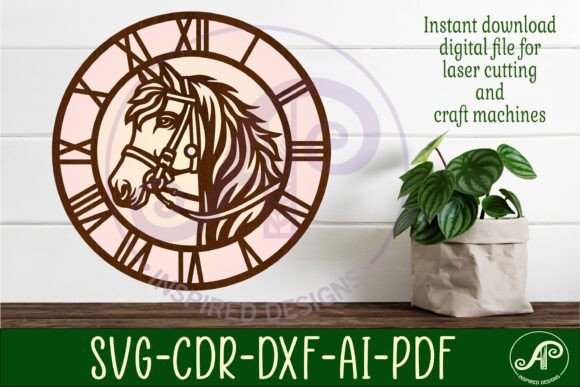
The intersection of functional home decor and digital fabrication offers a unique opportunity for creators to produce high-quality, personalized items. Among the most striking designs available for modern makers is the Horse Head Wall Clock Laser Cut Files. This specific design combines the timeless elegance of equine imagery with the practical utility of timekeeping, resulting in a piece that serves as both a conversation starter and a functional household tool. For hobbyists, professional crafters, and small business owners, understanding the nuances of these digital assets is crucial for achieving professional-grade results.
This comprehensive guide explores the technical specifications, material considerations, and creative applications of these digital templates. By leveraging the versatility of formats such as SVG, DXF, AI, PDF, and CDR, users can transform simple digital downloads into tangible art pieces using laser cutters, CNC routers, and other computer-controlled machinery.
Understanding the Digital Asset Package
When acquiring Horse Head Wall Clock Laser Cut Files, it is essential to recognize that you are purchasing a digital product, not a physical item. The value lies in the precision and compatibility of the provided files. A typical download includes a zip folder containing multiple file formats, ensuring broad compatibility across various software ecosystems and hardware types. This multi-format approach eliminates the need for complex conversions, which can often introduce errors or distortions in vector paths.
The core of this package usually consists of three distinct wall clock face templates. These variations allow for creative flexibility, enabling the maker to choose a design that best suits their aesthetic preferences or material constraints. The files are meticulously prepared for immediate use, having been designed in professional vector software like CorelDraw and tested for compatibility with popular laser control software such as LightBurn. This testing phase ensures that the paths are clean, closed, and ready for cutting without extensive manual editing.
File Formats and Compatibility
The inclusion of diverse file types is a significant advantage for users working in different environments. Here is a breakdown of the standard formats included in such packages:
- SVG (Scalable Vector Graphics): This is the most versatile format for web-based design tools and many laser cutting software platforms. The package typically includes both filled and outline versions, allowing for easy distinction between cut lines and engrave areas.
- DXF (Drawing Exchange Format): Ideal for users working with CAD software or older CNC machines, DXF files ensure precise geometric data transfer.
- AI (Adobe Illustrator): For professional designers who prefer working within the Adobe ecosystem, AI files allow for easy customization and integration into larger design projects.
- CDR (CorelDraw): Specifically tailored for CorelDraw users, this format preserves layer information and object properties native to the software.
- PDF (Portable Document Format): Useful for quick previews, printing prototypes on paper, or importing into software that supports PDF vector data.
Technical Specifications and Design Precision
Precision is paramount in laser cutting and CNC routing. The Horse Head Wall Clock Laser Cut Files are engineered with specific dimensions to ensure structural integrity and aesthetic balance. The recommended size for cutting these files ranges from 25 to 50 centimeters, providing flexibility for different wall spaces. However, the default saved size is typically 29 centimeters (approximately 11.4 inches) wide. This dimension strikes an optimal balance between visibility and material efficiency.
A critical technical detail is the center hole specification. The design features an 8mm thick center hole, which is the standard size for most clock mechanisms and hands. This precise measurement ensures that off-the-shelf clock kits fit seamlessly without the need for additional drilling or modification. The accuracy of this hole is vital; if it is too large, the clock mechanism may wobble, and if it is too small, the mechanism will not fit, potentially damaging the wood or acrylic during forced insertion.
The design complexity of a horse head silhouette requires careful attention to kerf—the width of the cut made by the laser or router. Intricate details, such as the mane or facial features, must be spaced appropriately to prevent burn-through or structural weakness. High-quality vector files account for these factors, providing clean lines that machines can follow accurately.
Material Selection and Fabrication Considerations
The choice of material significantly impacts the final appearance and durability of the clock. While the digital files are universal, the physical outcome depends on the substrate used. Common materials for this project include plywood, MDF (Medium-Density Fiberboard), acrylic, and hardwoods.
Wood-Based Materials: Plywood and MDF are popular choices due to their affordability and ease of cutting. When using wood, it is important to consider the grain direction. Cutting against the grain can sometimes result in rougher edges, requiring additional sanding. Staining or painting the finished piece can enhance the depth of the horse head silhouette, highlighting the layers if a multi-layered approach is used.
Acrylic and Plastics: For a modern, sleek look, acrylic is an excellent option. Laser cutting acrylic produces polished, flame-polished edges that require no post-processing. However, users must ensure their laser cutter is equipped with proper ventilation, as cutting plastics can release harmful fumes. The contrast between a transparent or colored acrylic face and metallic clock hands can create a sophisticated contemporary aesthetic.
Layered Designs: Advanced makers may choose to layer multiple sheets of material to create a 3D effect. By stacking different colors or textures, the horse head design can gain depth and shadow, transforming a flat clock into a sculptural piece. The vector files provided allow for easy duplication and scaling of individual elements if such customization is desired.
Workflow for Successful Implementation
Creating a professional-looking clock from digital files involves a systematic workflow. Following these steps can help minimize errors and maximize efficiency:
- Download and Extract: After purchase, download the zip folder and extract all files to a dedicated project directory. Organizing files by format helps in quick retrieval.
- Software Import: Open the appropriate file type in your preferred design or laser control software. Verify that the scale is correct. Since the default size is 29cm, ensure your software units match the file settings (millimeters or inches).
- Design Verification: Check the vector paths for any open nodes or overlapping lines. Ensure the 8mm center hole is clearly defined as a cut path. If using separate layers for engraving and cutting, assign different colors or line styles to distinguish them.
- Material Preparation: Secure your chosen material to the laser bed or CNC table. Ensure the surface is flat and free of debris to prevent focusing issues.
- Test Cut: Perform a small test cut on a scrap piece of the same material to determine the optimal power and speed settings. This step is crucial for achieving clean edges without excessive charring.
- Final Cutting: Execute the full cut. Monitor the process to ensure no material shifts occur.
- Assembly: Once cut, remove any protective film from acrylic or sand wooden edges if necessary. Insert the clock mechanism through the 8mm hole, attach the hands, and install a battery.
Creative Applications and Market Potential
Beyond personal use, Horse Head Wall Clock Laser Cut Files hold significant potential for small businesses and educators. For e-commerce sellers, these designs offer a niche product that appeals to equestrian enthusiasts, farmers, and lovers of rustic or modern farmhouse decor. The ability to customize the material and finish allows for premium pricing strategies based on craftsmanship.
Educators can use these files to teach students about vector graphics, mechanical assembly, and material science. The project integrates art and engineering, providing a hands-on learning experience that results in a functional object. Furthermore, community makerspaces can utilize these templates for workshops, guiding participants through the entire process from digital file to finished product.
The versatility of the design also allows for seasonal adaptations. By changing the color of the paint or the type of wood, the same clock can fit into various interior design themes, from industrial chic to cozy cottage core. This adaptability makes the digital file a valuable asset in a creator’s library, offering endless possibilities for iteration and innovation.
In conclusion, the Horse Head Wall Clock Laser Cut Files represent more than just a digital download; they are a gateway to creative expression and functional art. By understanding the technical details, respecting the material properties, and following a disciplined workflow, makers can produce high-quality clocks that stand out in any setting. Whether for personal enjoyment, educational purposes, or commercial venture, these templates provide a solid foundation for successful digital fabrication projects.