Designing Patriotic Decor with USA Map 4th July Multilayer Cut Files
The Fourth of July represents a peak season for creative makers, DIY enthusiasts, and small business owners looking to produce high-impact patriotic decor. Among the various digital assets available for this holiday, the USA MAP 4th July Multilayer Cut Files stand out as a sophisticated option for those seeking depth and dimension in their projects. Unlike standard two-dimensional vector graphics, multilayer layouts offer a tactile experience that transforms flat materials into striking visual statements. This article explores the practical applications, technical requirements, and strategic considerations for using these specific digital files, helping you determine if they align with your crafting goals and equipment capabilities.
Understanding the Multilayer Design Concept
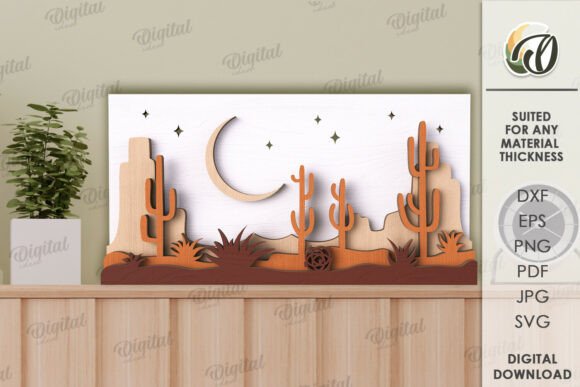
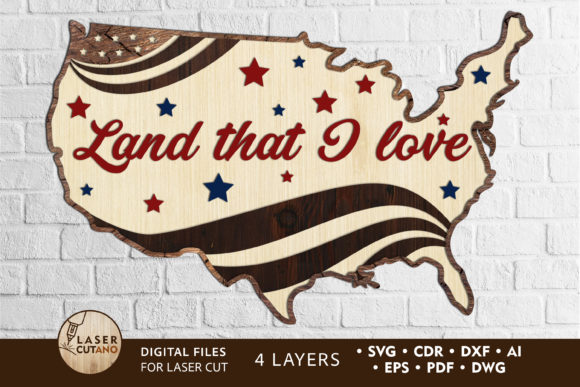
At its core, a multilayer cut file is a digital blueprint designed to be cut from multiple sheets of material, which are then stacked and adhered to create a three-dimensional effect. The USA MAP 4th July design typically features a complex arrangement of four distinct layers. This structure allows for intricate detailing that would be impossible to achieve with a single sheet of wood, acrylic, or cardboard. The finished product, often sized at approximately 24 by 34 inches, serves as a substantial centerpiece for home decor, event backdrops, or retail displays.
What makes this specific layout distinct is its versatility across different manufacturing methods. While many digital files are optimized exclusively for vinyl cutting or simple paper crafts, these files are engineered for robust machinery such as laser cutters, CNC routers, and even advanced desktop cutters like Cricut or Silhouette models capable of handling thicker substrates. The design accounts for the physical limitations of cutting tools, ensuring that thin elements remain intact during the fabrication process, provided the scale is managed correctly.
Evaluating Material Compatibility and Thickness
One of the most critical decision factors when working with multilayer files is material selection. The USA MAP 4th July Multilayer Cut Files are recommended for use with plywood, MDF (Medium-Density Fiberboard), acrylic, plexiglass, metal, cardboard, and heavy paper. Each material offers a different aesthetic and structural outcome.
- Wood Products (Plywood/MDF): These materials provide a rustic, warm appearance ideal for traditional home decor. They are forgiving to sand and paint, allowing for a smooth finish before assembly.
- Acrylic and Plexiglas: For a modern, sleek look, transparent or colored acrylics create a vibrant, glossy finish. However, they require precise laser settings to avoid melting edges.
- Cardboard and Paper: These are cost-effective options for temporary events or prototypes. They are lightweight but lack the durability of wood or plastic.
The recommended material thickness ranges from 3 mm to 6 mm (approximately 1/8 inch to 1/4 inch). This range is crucial because it dictates the depth of the final piece. Using material that is too thin may result in a fragile structure that lacks visual impact, while material that is too thick can cause alignment issues during gluing and may exceed the cutting capacity of smaller machines. It is essential to verify your machine’s maximum cutting depth before purchasing materials.
Technical Specifications and File Formats
Accessibility and compatibility are significant advantages of this product. Upon purchase, users receive a .zip file containing the design in multiple industry-standard formats: .AI, .SVG, .DXF, .DWG, .CDR, .EPS, and .PDF. This broad format support ensures that whether you are using Adobe Illustrator, CorelDRAW, AutoCAD, or free software like Inkscape, you can import the file without conversion errors.
For those using desktop cutting machines like Cricut or Silhouette, the .SVG format is generally the most reliable. It preserves vector paths cleanly, allowing for precise scaling. Users of industrial laser cutters or CNC routers may prefer .DXF or .DWG files, which are optimized for computer-aided manufacturing software. It is important to note that users must unzip the folder before attempting to use the files. Failure to do so may result in software errors or an inability to locate the correct vector paths.
Assembly Process and Best Practices
The creation of a multilayer project involves more than just cutting; it requires careful assembly. The USA MAP 4th July design consists of four layers that must be glued together sequentially. A common mistake among beginners is attempting to paint the assembled piece. However, best practices dictate that each layer should be painted before gluing. This approach ensures that no unpainted edges are visible between the layers, resulting in a professional, seamless finish.
Alignment is another critical factor. Because the design includes thin elements, slight misalignments during gluing can distort the overall image. Using registration marks or a jig can help maintain precision. Additionally, allowing sufficient drying time for both paint and adhesive prevents warping, especially when working with wood-based materials that may absorb moisture from paints or glues.
Comparing Multilayer Files to Standard Alternatives
When deciding between multilayer cut files and standard single-layer designs, consider the intended use and available resources. Single-layer SVGs are faster to produce and require less material, making them ideal for quick projects like t-shirt transfers or simple decals. They are also more forgiving for beginners who may not have experience with assembly.
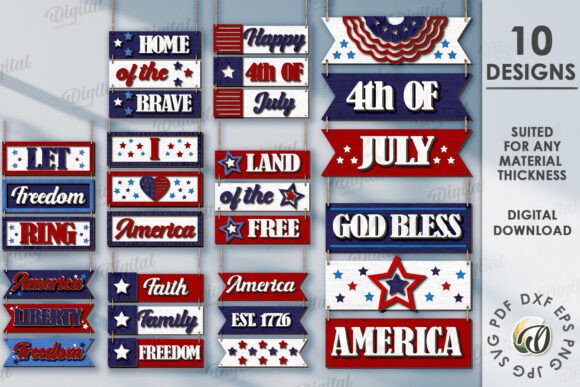
In contrast, the USA MAP 4th July Multilayer Cut Files offer a premium, handcrafted aesthetic that commands attention. They are better suited for stationary decor, such as wall art, door hangers, or table centerpieces. The tradeoff is increased production time and complexity. If you are producing items for a last-minute event, a single-layer design may be more practical. However, if you are building a portfolio of high-quality goods for sale or creating a lasting keepsake, the multilayer approach provides superior perceived value.
Scalability and Design Limitations
While the standard finished size is 24 x 34 inches, users have the flexibility to increase the dimensions of the design. Scaling up can enhance the presence of the piece, making it suitable for large venue decorations. However, reducing the size requires caution. As the design shrinks, the thin elements within the map and flag motifs become increasingly fragile. If scaled down too much, these details may break during cutting or handling. Therefore, it is advisable to maintain the original size or scale up rather than down, unless you are using very fine cutting tools and delicate materials like cardstock.
Ideal Use Cases for Independence Day Projects
The versatility of these files opens up numerous creative avenues. Beyond traditional wall art, consider these applications:
- Patriotic Banners: Cut from sturdy cardboard or acrylic, the layers can be spaced apart to create a floating effect for outdoor or indoor banners.
- Custom T-Shirt Templates: While the multilayer aspect is primarily for rigid materials, the individual vector layers can be used to create complex heat-transfer vinyl (HTV) designs for apparel, though this requires weeding and layering skills.
- Interactive Games: The sturdy nature of plywood or MDF cuts makes them suitable for durable party games, such as patriotic-themed bean bag toss boards or puzzle pieces.
- Gift Items: Smaller scaled versions (if carefully managed) or partial elements of the design can be turned into coasters, ornaments, or keychains.
Making the Right Choice for Your Project
Ultimately, the decision to use USA MAP 4th July Multilayer Cut Files depends on your skill level, equipment, and desired outcome. If you possess a laser cutter or CNC router and enjoy the process of finishing and assembly, these files offer a rewarding challenge with impressive results. They are particularly well-suited for makers who want to differentiate their products from the sea of flat, printed decorations common during the holiday season.
However, if you are new to digital cutting or lack the tools for processing thick materials, you might find the learning curve steep. In such cases, starting with simpler, single-layer patriotic SVGs may be a more prudent first step. Regardless of your choice, understanding the technical requirements and planning your workflow will ensure a successful and enjoyable crafting experience. By carefully selecting materials, respecting the design’s structural limits, and following proper assembly techniques, you can create stunning Independence Day decor that celebrates both creativity and patriotism.