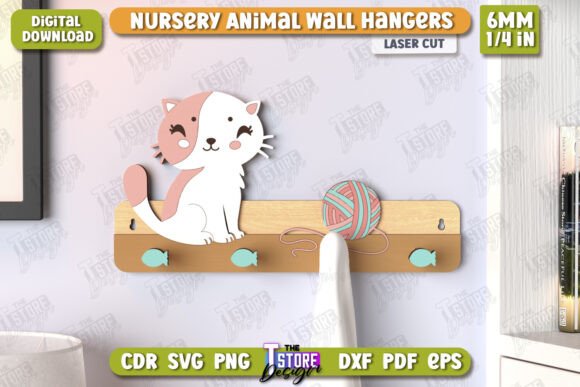
Streamlining Nursery Decor Production with Cat Wall Hangers Laser Cut CNC Files
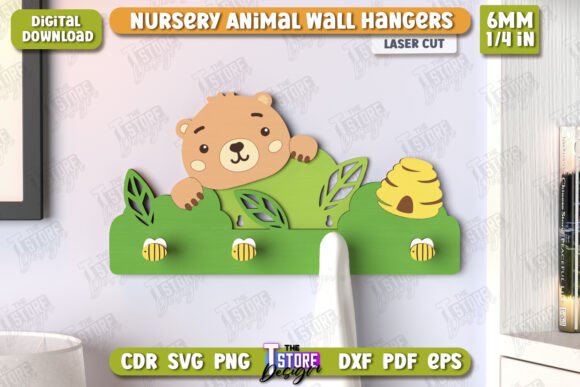
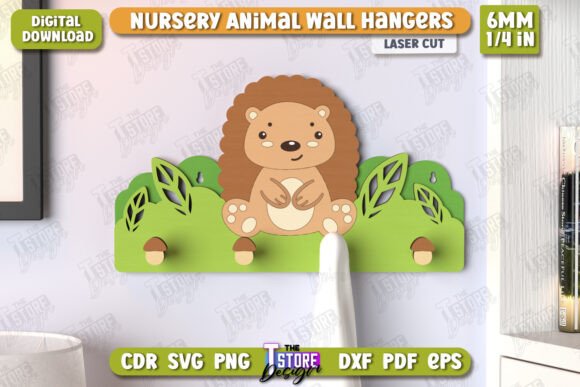
For creators, small business owners, and hobbyists operating in the custom decor space, efficiency is not just a preference; it is a necessity. The demand for personalized, high-quality nursery items continues to rise, driven by parents seeking unique aesthetics for their children’s spaces. Within this market, Nursery Cat Wall Hangers Laser Cut CNC designs represent a specific, high-value niche. These items are not merely decorative; they are functional organizational tools that blend seamlessly into modern interior design themes. However, the value of such a product lies not only in the final physical object but in the digital workflow that produces it.
Integrating pre-designed digital assets into your production pipeline can significantly reduce setup time, minimize material waste, and ensure consistent quality across batches. This article explores how to effectively incorporate these laser-cut templates into your creative and business workflows, focusing on technical compatibility, file management, and practical implementation strategies.
Understanding the Digital Asset in Your Workflow
When you purchase a digital product like a nursery animal wall hanger template, you are acquiring a foundational component of your manufacturing process. This is not a finished good but a set of instructions for your machinery. The primary advantage of using a dedicated Nursery Cat Wall Hangers Laser Cut CNC file is the elimination of manual vector tracing or design creation from scratch. For professionals managing multiple client orders, this time savings translates directly into increased capacity and profitability.
The typical package includes a zip archive containing SVG, EPS, PNG, PDF, and DXF files. Each format serves a distinct purpose within the broader ecosystem of digital fabrication. Understanding which file type to deploy at each stage of your workflow is critical for maintaining precision. For instance, while SVG files are versatile for web-based design tools, they can sometimes present scaling issues in specific CAM (Computer-Aided Manufacturing) software. Recognizing these nuances allows you to preempt errors before they reach the cutting bed.
Technical Compatibility and File Selection
One of the most common friction points in digital fabrication is software incompatibility. The instructions accompanying these files highlight a crucial technical detail: Lightburn will sometimes distort the dimension of the files, especially when SVG file formats are used. This observation is vital for users of Lightburn, a popular software interface for laser cutters. If you rely on this platform, the recommended workflow is to bypass the SVG entirely and utilize the DXF file format instead.
DXF (Drawing Exchange Format) is generally more robust for maintaining precise dimensional accuracy across different CAD and CAM environments. By selecting the DXF file for your import process, you ensure that the cut lines and engrave paths align exactly with the intended specifications. This step is a simple yet powerful quality control measure. It prevents the need for post-cut adjustments or, worse, the scrapping of material due to incorrect sizing.
Furthermore, the distinction between cut and engrave paths is standardized in these files using color coding. Typically, a RED line indicates CUT operations, while a BLACK line indicates ENGRAVE operations. This visual cue simplifies the layering process in your software. Before sending the job to the machine, verify that your software correctly interprets these colors as separate operations with appropriate power and speed settings. This preparation phase ensures that the intricate details of the cat’s features are engraved cleanly, while the outer轮廓 is cut sharply without burning or charring.
Material Preparation and Machine Setup
Once the digital file is correctly imported and configured, the focus shifts to physical preparation. The success of a Nursery Animal Wall Hangers Laser Cut Kids Hangers project depends heavily on the interaction between the laser beam and the chosen material. Common materials for this application include plywood, MDF, and acrylic. Each material reacts differently to laser energy, requiring specific calibration.
For wood-based materials, ensuring a flat, clean surface is essential. Warped sheets can lead to inconsistent focus depth, resulting in uneven cuts or incomplete engraving. Use masking tape to secure thin materials and prevent movement during the cutting process. Additionally, consider the grain direction of the wood. Cutting against the grain can sometimes result in rougher edges, so orienting your Nursery Décor Kids Room CNC File layout to work with the grain can enhance the final aesthetic quality.
Efficiency in material usage is another key consideration. If you are producing multiple hangers, nest the designs closely within your software to minimize waste. The compact nature of wall hangers allows for efficient nesting, maximizing the yield from each sheet of material. This practice not only reduces costs but also aligns with sustainable production methods, a growing concern for many consumers in the nursery decor market.
Post-Processing and Quality Assurance
The workflow does not end when the laser completes its cycle. Post-processing is where the product transitions from a manufactured part to a finished retail item. For wooden hangers, sanding is often required to remove any minor char marks or rough edges left by the laser. A light sanding with fine-grit sandpaper can smooth the edges without compromising the intricate details of the design.
Finishing options vary based on your brand identity and customer preferences. Some creators prefer a natural look, applying only a clear sealant to protect the wood. Others may choose to paint or stain the hangers to match specific nursery color palettes. The versatility of the Laser Cut CNC design allows for various finishing techniques. However, consistency is key. Establish a standard operating procedure for finishing to ensure that every unit meets your quality standards.
Quality control should include a check for structural integrity. Ensure that the hook mechanism, if integrated into the design, is strong enough to hold the intended weight. If the hanger is designed to hold lightweight items like hats or scarves, verify that the attachment points are secure. This attention to detail builds trust with your customers and reduces the likelihood of returns or negative feedback.
Scaling Your Business with Digital Assets
Integrating products like Nursery Cat Wall Hangers Laser Cut CNC into your inventory allows for scalable growth. Because the design work is already completed, you can focus on marketing, customer service, and production optimization. This shift in focus is crucial for small business owners looking to expand their offerings without proportionally increasing their workload.
Moreover, having access to multiple file formats provides flexibility in how you market and sell your products. You can offer custom sizes or modifications if requested, using the editable EPS or SVG files in vector editing software. This capability adds a layer of personalization that can differentiate your brand in a crowded marketplace. If a customer requests a specific color size of PNG file for preview purposes or a different file type, being able to accommodate these requests quickly enhances customer satisfaction.
It is also important to maintain an organized digital library. Store your purchased files in a structured folder system, categorized by theme, file type, and date of acquisition. This organization saves time when retrieving files for future projects and ensures that you always have access to the correct version of a design. Regularly back up your digital assets to prevent data loss, which can disrupt your production schedule.
Continuous Improvement and Community Engagement
The digital fabrication community is dynamic, with new tools, materials, and techniques emerging regularly. Staying engaged with this community can provide valuable insights into optimizing your workflow. Follow designers and suppliers who release these files to stay updated on new releases and best practices. Many creators appreciate feedback and questions, so do not hesitate to reach out if you encounter issues or need clarification on file usage.
For instance, if you find that a particular file format does not work well with your specific machine setup, contacting the seller can often yield a solution or an alternative file type. This collaborative approach fosters a supportive environment where knowledge sharing benefits all participants. Additionally, sharing your finished projects on social media or industry forums can attract potential customers and build your brand’s reputation.
In conclusion, the effective use of Nursery Cat Wall Hangers Laser Cut CNC files involves more than just pressing "start" on your laser cutter. It requires a thoughtful approach to file selection, machine setup, material preparation, and post-processing. By integrating these digital assets into a streamlined workflow, you can enhance efficiency, maintain high quality, and scale your business effectively. Whether you are a seasoned professional or a hobbyist looking to monetize your craft, mastering these processes will help you deliver exceptional products that delight your customers.