Mastering the Art of 3D Wall Decor with Layered Dragonfly Laser Cut SVG Designs
In the evolving landscape of digital fabrication and home decor, the intersection of precision technology and organic aesthetics has created a new niche for creators. Among the most captivating subjects in this realm is the dragonfly, an insect revered for its delicate structure and symbolic meaning. When translated into physical form through laser cutting, these designs transcend simple flat silhouettes. The Layered Dragonfly Laser Cut SVG represents a sophisticated approach to craft, utilizing multiple stacked planes to generate depth, shadow, and a striking three-dimensional effect. This method transforms a standard digital file into a tangible piece of art that captures light and attention in ways traditional two-dimensional prints cannot.
For hobbyists, professional makers, and interior designers alike, understanding the nuances of layered vector design is essential. It is not merely about cutting a shape; it is about engineering a visual experience. The intricate nature of these files requires a keen eye for detail and a solid grasp of material properties. Whether you are creating whimsical nursery decorations, elegant garden accents, or complex boho-style wall installations, the layered dragonfly offers a versatile canvas for creativity. This article explores the technical and artistic dimensions of working with these specialized files, providing a roadmap for achieving professional-grade results.
The Architecture of Depth: Understanding Layered Vector Files
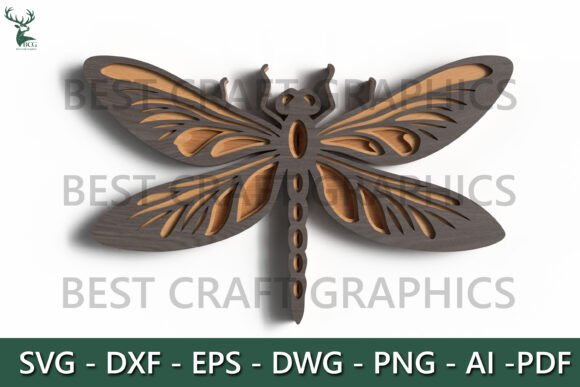
The core appeal of a Layered Dragonfly Laser Cut SVG lies in its structural complexity. Unlike a standard stencil or single-layer cutout, a layered design is composed of several distinct components that align perfectly when assembled. Each layer serves a specific purpose, contributing to the overall illusion of volume. The base layer often provides the foundational outline, while subsequent layers add internal details such as wing veins, body segments, and decorative flourishes. This stacking technique mimics the natural anatomy of a dragonfly, where translucent wings overlap and catch the light at varying angles.
When selecting a file for your project, it is crucial to verify the integrity of the vector paths. High-quality files, such as those offered in comprehensive packs including SVG, DXF, EPS, PDF, PNG, AI, and DWG formats, ensure compatibility across a wide range of software and hardware. Clean files without watermarks are non-negotiable for professional outcomes, as stray nodes or broken paths can lead to cutting errors and wasted materials. The availability of multiple formats ensures that whether you are using Adobe Illustrator, CorelDRAW, Inkscape, or direct machine software like LightBurn or RDWorks, the design remains editable and precise.
Precision in File Preparation
Before sending any design to a laser cutter or CNC machine, proper file preparation is paramount. Users must ensure that each layer is assigned to the correct color or line type corresponding to the machine’s settings. For instance, inner cuts might require different power and speed settings than outer perimeter cuts, especially when working with varying thicknesses of material. The Layered Dragonfly Laser Cut SVG is designed with tolerance in mind, allowing for slight variations in kerf width—the material burned away by the laser beam. Understanding how your specific machine handles kerf is vital for ensuring that the layers fit together snugly without forcing, which could cause warping or breakage.
Material Selection and Compatibility
The choice of material significantly influences the final aesthetic of your layered dragonfly project. While the design is versatile, certain materials highlight the 3D effect more effectively than others. The most common substrate for these projects is wood, particularly 3mm plywood, basswood, or MDF. Wood offers a warm, natural texture that complements the organic subject matter. When stained or painted, the grain of the wood can add an additional layer of visual interest, enhancing the rustic or woodland theme often associated with dragonfly decor.
Acrylic is another excellent option, particularly for modern or whimsical applications. Transparent or translucent acrylics allow light to pass through the layers, creating a glowing effect that is ideal for nightlights or window hangings. Colored acrylics can be stacked to create gradient effects, mimicking the iridescent wings of real dragonflies. However, working with acrylic requires careful attention to ventilation and machine settings to prevent melting or excessive flaming. For those using CNC routers rather than lasers, harder woods or even soft metals can be utilized, though the intricacy of the design may need to be adjusted to account for the larger tool bits used in routing.
- Wood: Ideal for natural, rustic, and boho styles; accepts stains and paints well.
- MDF: Provides a smooth, uniform surface perfect for painting; cost-effective for large batches.
- Acrylic: Offers modern transparency and color vibrancy; suitable for light-based installations.
- Cardstock: Useful for prototyping or lightweight paper crafts; requires adhesive assembly.
Workflow Integration with Popular Cutting Machines
One of the greatest advantages of using a universally compatible Layered Dragonfly Laser Cut SVG is its seamless integration with leading fabrication tools. Whether you are a home hobbyist with a desktop cutter or a small business owner operating industrial machinery, the workflow remains consistent yet adaptable. Machines like the Glowforge, xTool, Cricut, and various CNC systems each have unique strengths, but all benefit from the clean, organized layers provided in high-quality vector files.
For users of diode or CO2 laser cutters like the Glowforge or xTool, the focus is on power and speed calibration. These machines excel at engraving fine details, which can be utilized to add texture to the dragonfly’s body or wings before cutting. The layered approach allows makers to cut each piece separately and then assemble them, reducing the risk of scorching adjacent areas. Conversely, blade-based cutters like the Cricut are limited to thinner materials such as cardstock, vinyl, or thin balsa wood. While they cannot achieve the same depth as laser-cut wood, they are excellent for creating paper quilling templates or lightweight wall decals.
CNC users will appreciate the availability of DXF and DWG formats, which are standard in computer-aided manufacturing. These formats allow for precise control over toolpaths, enabling the use of ball-end mills to create beveled edges on the layers. This advanced technique adds a professional finish that enhances the 3D illusion, making the dragonfly appear as if it is hovering above the wall. Regardless of the machine, the key to success lies in test cuts. Always perform a test run on scrap material to verify dimensions and fit before committing to your final piece.
Creative Applications and Design Contexts
The versatility of the layered dragonfly design extends far beyond simple wall art. Its intricate beauty makes it a suitable candidate for a wide array of creative projects, each requiring a slightly different approach to assembly and finishing. In the realm of interior design, these pieces serve as stunning focal points in living rooms, bedrooms, and nurseries. The whimsical nature of the dragonfly appeals to children, making it a popular choice for nursery decorations where soft colors and gentle shapes create a calming atmosphere.
For garden enthusiasts, the design can be adapted for outdoor use by selecting weather-resistant materials such as treated hardwoods or UV-stable acrylics. Mounted on stakes or hung from branches, these laser-cut dragonflies add a touch of magic to outdoor spaces, catching the sunlight and casting intricate shadows on the ground. They also make thoughtful gifts for nature lovers, bird watchers, and those who appreciate handcrafted decor. The personal touch involved in assembling and finishing the layers adds value that mass-produced items simply cannot match.
Educators and workshop leaders can also leverage these files for teaching purposes. Assembling a layered dragonfly requires patience, spatial reasoning, and fine motor skills, making it an excellent project for STEM or STEAM activities. Students can learn about vector graphics, material science, and geometric assembly while creating a beautiful end product. Furthermore, the symbolic meaning of the dragonfly—often associated with change, adaptability, and self-realization—adds a layer of emotional resonance to the craft, making it a meaningful project for mindfulness workshops or therapeutic art sessions.
Assembly Techniques for a Professional Finish
The final stage of creating a Layered Dragonfly Laser Cut SVG project is assembly, where the individual layers come together to form the complete image. This step requires precision and care to ensure that the alignment is perfect and the bond is secure. Spacer elements are often included in the design file to create gaps between layers, enhancing the 3D effect. These spacers must be glued accurately to maintain uniform height across the piece. Using a jig or template can help keep the layers aligned during the drying process.
Adhesive selection is critical. For wood and MDF, wood glue or cyanoacrylate (super glue) provides a strong, lasting bond. For acrylic, solvent-based cements weld the pieces together at a molecular level, creating a seamless look. It is advisable to apply adhesive sparingly to avoid squeeze-out, which can mar the surface and interfere with painting or staining. Once assembled, the piece can be finished with clear coats, paints, or stains to protect the material and enhance its visual appeal. A matte finish can reduce glare and highlight the textures, while a gloss finish can add depth and vibrancy to the colors.
In conclusion, the Layered Dragonfly Laser Cut SVG is more than just a digital file; it is a gateway to creating sophisticated, multi-dimensional art. By understanding the technical requirements of file preparation, material selection, and machine operation, creators can produce works that are both visually stunning and structurally sound. Whether for personal enjoyment, commercial sale, or educational purposes, this design offers endless possibilities for innovation and expression. Embrace the complexity of layered design, and let the intricate beauty of the dragonfly inspire your next masterpiece.