Transforming Home Decor with a Laser Cut Plant Pot SVG Cut File
In the evolving world of digital fabrication and DIY home decor, finding designs that balance modern aesthetics with technical precision can be a challenge. Many crafters and small business owners struggle to locate vector files that are not only visually appealing but also optimized for clean cutting. This is where a high-quality Laser Cut Plant Pot SVG Cut File becomes an invaluable resource. By combining minimalist botanical art with geometric precision, this design offers a seamless bridge between nature-inspired themes and contemporary interior styling.
Whether you are a hobbyist looking to personalize your living space or a professional maker seeking scalable products for your shop, understanding how to leverage this specific type of digital asset can significantly enhance your creative output. The appeal lies in its versatility; it is not just a static image, but a functional blueprint for creating tangible, elegant decor pieces.
Why Minimalist Botanical Designs Matter in Modern Interiors
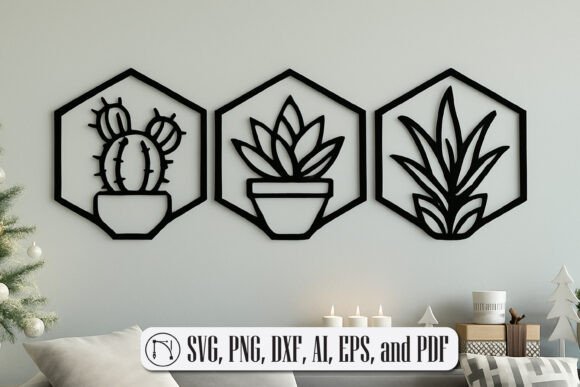
Modern interior design has shifted heavily toward minimalism, clean lines, and organic elements. People are increasingly seeking ways to bring the calming influence of nature indoors without the maintenance requirements of live plants. A Laser Cut Plant Pot SVG Cut File addresses this desire by offering a permanent, low-maintenance representation of greenery. The design typically features three distinct plant types—such as a sturdy cactus and various leafy indoor specimens—housed in sleek, geometric pots. This combination creates a visual harmony that fits effortlessly into scandi-style apartments, modern offices, or cozy reading nooks.
The challenge for many designers is achieving this look without spending hours drawing vectors from scratch. Pre-made, professionally tested SVG files save time and ensure that the final cut is free from jagged edges or overlapping paths that can ruin a project. By utilizing a ready-made Laser Cut Plant Pot SVG Cut File, creators can focus on material selection and finishing techniques rather than troubleshooting vector nodes.
Overcoming Common Crafting Challenges
One of the most frequent frustrations in laser cutting is dealing with poorly optimized files. Many free or low-quality downloads contain open paths, excessive anchor points, or non-scalable formats that result in poor cuts. A premium Laser Cut Plant Pot SVG Cut File is engineered to avoid these pitfalls. It provides clean, closed shapes that allow the laser beam to follow a continuous path, reducing burn marks and ensuring a crisp finish.
Furthermore, compatibility is a significant hurdle. Crafters often use different machines, such as Glowforge, xTool, or industrial CO2 lasers, each requiring specific file types. A robust design package addresses this by including multiple formats like SVG, PNG, DXF, AI, EPS, and PDF. This universality means that whether you are using Adobe Illustrator, CorelDRAW, Inkscape, or proprietary machine software, you can import the file without conversion errors. This flexibility removes technical barriers, allowing users to start their projects immediately.
Practical Applications and Creative Outcomes
The true value of a Laser Cut Plant Pot SVG Cut File lies in its adaptability. While the primary use is obvious—creating decorative plant motifs—the applications extend far beyond simple wall hangings. Here are several practical ways to implement this design:
- Framed Wall Art: Layering the cut pieces over contrasting backgrounds creates depth. For instance, cutting the plants from light birch plywood and mounting them on a dark slate or painted board enhances the silhouette effect.
- Custom Gifting: Personalized gifts are always in demand. You can add names or dates to the geometric pots, transforming the piece into a memorable housewarming present or wedding gift.
- Home Accessories: Scale the design down to create coasters, bookmarks, or ornament tags. The minimalist lines remain recognizable even at smaller sizes, making the design versatile for various product lines.
- Room Dividers and Screens: By repeating the pattern and connecting the geometric pots, you can create intricate lattice screens that filter light beautifully while maintaining privacy.
Each application benefits from the clean, minimalist lines of the original design. The geometric pots provide a structural element that is easy to assemble or mount, while the organic shapes of the plants soften the overall look, preventing it from feeling too rigid or industrial.
Tailoring the Approach for Different Users
Different users will approach the Laser Cut Plant Pot SVG Cut File with unique goals, and understanding these perspectives can help maximize the design's potential.
For the Hobbyist: The primary goal is often enjoyment and personalization. This user might experiment with different materials, such as acrylics for a modern, colorful look or reclaimed wood for a rustic vibe. The ease of resizing the SVG allows them to fit the design into existing frames or scrap pieces of material, minimizing waste and cost.
For the Small Business Owner: Efficiency and consistency are key. This user needs a design that cuts quickly and reliably to maintain profit margins. The optimized paths in a professional Laser Cut Plant Pot SVG Cut File reduce machine run time. Additionally, the ability to modify the file means they can create variations—such as seasonal themes or custom color combinations—to keep their product lineup fresh without designing new assets from scratch.
For the Interior Designer: The focus is on aesthetic integration. Designers may use the file to create large-scale installations or bespoke pieces for clients. The minimalist nature of the design ensures it complements rather than overwhelms a space. They might choose high-end materials like walnut or brass-coated acrylic to elevate the perceived value of the piece.
Implementation Tips for Best Results
To get the most out of your Laser Cut Plant Pot SVG Cut File, consider the following technical and creative recommendations:
Material Selection: Thin plywood (3mm) is ideal for detailed work, as it cuts cleanly and is easy to layer. If using acrylic, ensure it is cast acrylic rather than extruded, as it produces clearer edges and less smoke residue. For a matte, sophisticated look, try MDF or painted hardboard.
Layering Techniques: To add dimension, consider cutting the pots and plants from different materials or colors. Glue the layers together with clear-drying adhesive to maintain a seamless appearance. You can also use spacers between layers to create a shadow box effect, which adds dramatic depth to wall-mounted pieces.
Software Adjustments: Before sending the file to your laser, always check the scale. Most SVG files are vector-based, meaning they can be resized without losing quality. However, ensure that small details, such as the tips of leaves or narrow parts of the cactus, are not scaled down so much that they become fragile or uncuttable. A test cut on scrap material is always recommended to verify settings.
Finishing Touches: Sanding the edges of wood cuts can remove char marks and improve the tactile quality of the final piece. For acrylic, polishing the edges with a flame or specialized compound can restore clarity. These small steps elevate a simple cut file into a professional-grade decor item.
Conclusion
Incorporating a Laser Cut Plant Pot SVG Cut File into your workflow offers a perfect blend of artistic expression and technical efficiency. It solves the common problems of design complexity and file incompatibility, allowing creators to focus on what they do best: making beautiful things. Whether you are crafting a single piece for your home or producing a line of products for sale, this versatile design provides the foundation for stunning, nature-inspired decor. By leveraging its clean lines, multiple format options, and minimalist aesthetic, you can create pieces that resonate with modern tastes and stand the test of time.