Understanding Summer Tiered Tray Decor Laser Cut Files: A Practical Guide for DIY Creators
The resurgence of tiered tray styling has transformed simple shelving into a dynamic canvas for seasonal expression. Among the various methods available to crafters, Summer Tiered Tray Decor Laser Cut designs have emerged as a sophisticated option for those seeking precision and customization. However, navigating the digital marketplace for these assets requires a clear understanding of what you are purchasing. It is crucial to recognize that when you acquire a Summer Tiered Tray Decor Laser Cut file, you are buying a digital blueprint, not a physical object. This distinction fundamentally changes how you approach the project, shifting the focus from unboxing a product to mastering the creation process.
This guide explores the utility of these digital files, compares them against alternative decor strategies, and helps you determine if this approach aligns with your crafting capabilities and aesthetic goals. By evaluating the tradeoffs between digital downloads and pre-made goods, you can make an informed decision about how best to enhance your home or office space during the warmer months.
Distinguishing Digital Assets from Physical Goods
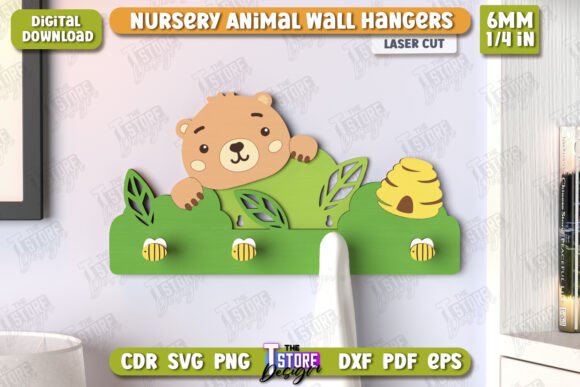
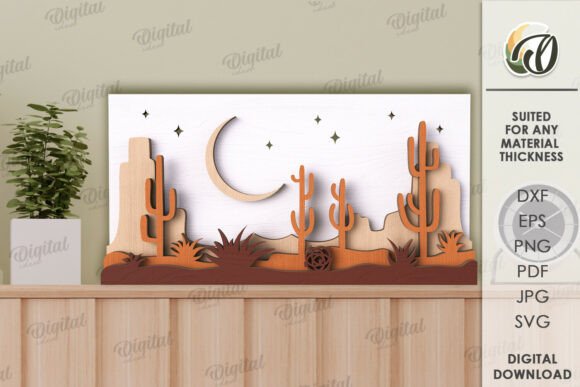
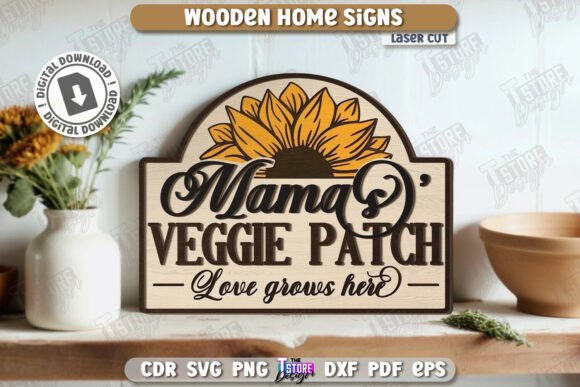
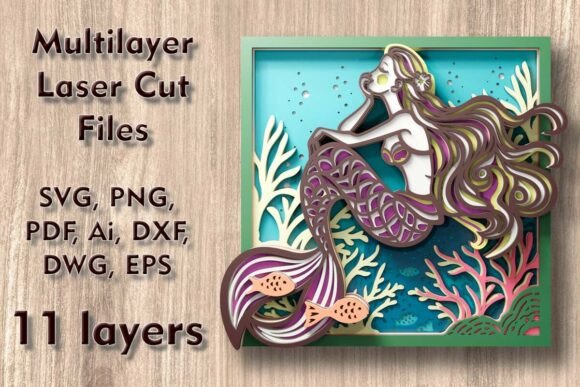
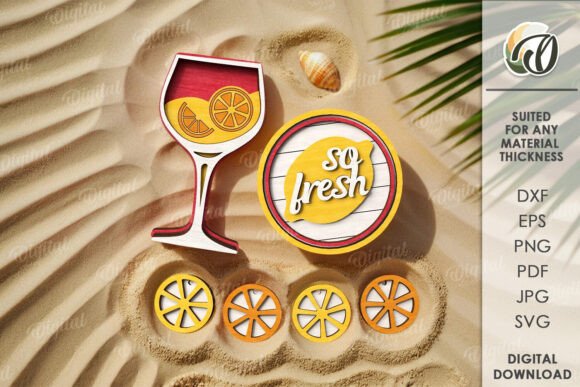
The most critical aspect of purchasing a Summer Tiered Tray Decor Laser Cut design is understanding the deliverable. As noted in standard product descriptions, "PLEASE PAY ATTENTION – This is a digital product. No physical goods will be sent." This statement is not merely a disclaimer; it is the defining characteristic of the transaction. The photos provided in listings are strictly for inspiration, showcasing what is possible rather than what is included.
When you complete a purchase, you receive a zip folder containing the design in multiple formats: SVG, DXF, EPS, PDF, JPEG, and PNG. Each format serves a specific purpose in the fabrication workflow. For instance, SVG and DXF files are vector-based, allowing for infinite scalability without loss of quality, which is essential for laser cutting machines. Conversely, PNG and JPEG files are raster images, often used for sublimation printing or as reference guides. Understanding these technical nuances is vital for users who may be new to digital crafting. If you do not own a laser cutter, Cricut, or Silhouette machine, or lack access to a local makerspace, this product may not be the immediate solution you need.
Comparing Laser Cut Files to Pre-Made Decor
When evaluating summer decor options, consumers typically choose between three primary categories: pre-made physical decor, printable paper crafts, and laser-cut digital files. Each approach offers distinct advantages and limitations.
- Pre-Made Physical Decor: This option offers convenience. You buy the item, place it on your tray, and the task is complete. However, it lacks customization. You are limited to the colors, sizes, and styles produced by the manufacturer. It is also generally more expensive per unit if you are looking to create a unique, layered look.
- Printable Paper Crafts: These are cost-effective and require only a home printer. They are excellent for intricate, colorful designs but lack the structural integrity and premium feel of wood or acrylic. They are also susceptible to humidity and wear over time.
- Summer Tiered Tray Decor Laser Cut Files: This middle ground offers high customization and professional-grade results. You choose the material—whether it is basswood, birch plywood, or colored acrylic—and the finish. The result is durable and textured. The tradeoff is the requirement for equipment and technical skill. You must be comfortable operating cutting machinery and performing post-processing tasks like sanding and painting.
For individuals who value originality and have access to fabrication tools, the Summer Tiered Tray Decor Laser Cut route provides endless possibilities. You can scale the design to fit specific tray dimensions, something impossible with fixed-size pre-made items. However, if you seek a quick, no-effort decoration solution, pre-made goods remain the superior choice.
Evaluating File Formats and Compatibility
The versatility of a Summer Tiered Tray Decor Laser Cut package lies in its multi-format delivery. A comprehensive zip folder typically includes SVG, DXF, EPS, PDF, JPEG, and PNG files. Understanding which file to use for your specific tool is essential for a successful outcome.
SVG (Scalable Vector Graphics) is the industry standard for most consumer cutting machines like Cricut and Silhouette. It preserves cut lines and layers, allowing for precise separation of design elements. DXF (Drawing Exchange Format) is often preferred by users of industrial laser cutters or CAD software, as it provides clean geometric data. EPS (Encapsulated PostScript) is useful for graphic designers who may want to modify the design in Adobe Illustrator before cutting.
The inclusion of PDF, JPEG, and PNG files adds value for those who might not be cutting the design but instead using it for sublimation or heat transfer vinyl (HTV) applications. The PNG files, often provided with transparent backgrounds, allow for easy layering in digital mockups or direct printing. This multi-format approach ensures that the Summer Tiered Tray Decor Laser Cut design is accessible to a wide range of creators, from hobbyists using entry-level machines to professionals utilizing advanced laser systems.
Design Flexibility and Creative Potential
One of the most compelling arguments for using digital laser cut files is the sheer scope of creative control. With a physical product, you are stuck with the factory’s color palette. With a digital file, you decide the material and the finish. For a summer theme, you might choose to cut the design from light birch plywood for a natural, airy feel, or from bright turquoise acrylic for a vibrant, poolside aesthetic.
The possibilities of creation are indeed endless. You can layer multiple cuts to create 3D effects, paint individual elements to match your existing home decor, or even combine the laser-cut piece with other materials like resin or fabric. This level of customization allows for an original design that truly reflects your personal style, whether for your home or office. It transforms the tiered tray from a static display into a curated collection of handmade art.
However, this flexibility requires effort. You must account for kerf (the width of the laser beam), material thickness, and assembly time. Unlike a pre-glued ceramic figurine, a laser-cut design may require careful assembly, gluing, and finishing. For those who enjoy the process of making, this is a benefit. For those who view decorating as a chore, it may be a deterrent.
When to Choose Digital Files Over Alternatives
Deciding whether a Summer Tiered Tray Decor Laser Cut file is the right choice depends on your resources and objectives. Consider choosing this option if:
- You Own or Have Access to Cutting Equipment: Whether it is a desktop laser cutter or a blade-based cutter, having the right tool is non-negotiable.
- You Value Customization: If you need a specific size to fit a non-standard tray or want a color that matches your room perfectly, digital files offer the necessary adaptability.
- You Enjoy the Crafting Process: If you find satisfaction in sanding, painting, and assembling, this product provides a rewarding project.
- You Are Creating Gifts or Small Business Inventory: Digital files allow for scalable production. Once you have mastered the design, you can produce multiple units efficiently.
Conversely, you should consider alternative options if:
- You Lack Technical Equipment: Without a cutter, the file is unusable unless you outsource the cutting, which adds cost and complexity.
- You Need Immediate Results: Digital purchases require time for downloading, processing, cutting, and finishing. If you need decor for an event tomorrow, pre-made items are safer.
- You Prefer Zero Maintenance: Laser-cut wood may require sealing or painting to prevent warping or fading, whereas ceramic or resin items are often ready to go.
Making an Informed Purchase Decision
Before finalizing your acquisition of a Summer Tiered Tray Decor Laser Cut design, take a moment to assess your current toolkit and skill level. Review the file formats provided to ensure compatibility with your software. Check the complexity of the design; intricate details may require higher-powered lasers or finer blades. Remember that the images you see online are inspirational benchmarks, not guarantees of your immediate output. Your final result will depend on your material choice, machine calibration, and finishing techniques.
If you have questions about file compatibility or design specifics, reaching out to the seller is a prudent step. Many creators are willing to provide guidance on recommended materials or settings. Happy shopping, and may your summer crafting be both enjoyable and successful. By understanding the nature of digital products and the creative potential they unlock, you can confidently integrate these designs into your seasonal decor strategy.