Chameleon Layered SVG Design: A Practical Guide to Multi-Dimensional Laser Cutting
Creating depth in flat materials requires more than just a precise cut; it demands a thoughtful approach to layering and spatial composition. The Chameleon Layered SVG Design has emerged as a compelling option for makers seeking to bridge the gap between two-dimensional digital files and three-dimensional physical art. This design is not merely a silhouette but a complex assembly of stacked elements that mimic the organic texture and curled posture of a lizard. For hobbyists and professionals alike, understanding the nuances of this specific file type is essential before committing time and material to the project.
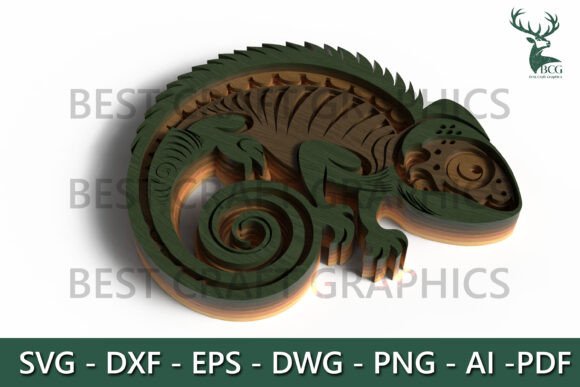
Unlike standard single-layer cutouts, a layered SVG breaks the subject into distinct planes. In the case of this chameleon, the design captures the intricate curvature of the tail, the scale-like texture of the skin, and the dimensional presence of the head and limbs. This approach transforms simple wood, acrylic, or MDF sheets into a shadow box-style piece that interacts with light and perspective. However, the appeal of such a design must be weighed against the technical requirements of assembly and the capabilities of your cutting equipment.
Understanding the Structure of Layered Vector Files
To appreciate the value of the Chameleon Layered SVG Design, one must first understand how layered vector files function within the context of digital fabrication. A standard SVG provides a single path for cutting. In contrast, a layered design consists of multiple overlapping paths, each representing a different depth level. When these layers are cut from 3mm materials and stacked, they create a parallax effect that gives the illusion of volume.
This specific chameleon design utilizes organic detailing to enhance realism. The curves are not geometric or rigid; they follow the natural anatomy of a reptile. This distinction is crucial for users evaluating whether this style fits their aesthetic goals. If you prefer minimalist, geometric animal representations, a layered organic design may feel too busy. Conversely, if your goal is to create a lifelike tribute to wildlife, the nuanced edges and overlapping scales provide a sophistication that flat cuts cannot achieve.
The file formats included in this package—SVG, DXF, EPS, PDF, PNG, AI, and DWG—ensure compatibility across a broad spectrum of software. Whether you are using proprietary software for a Glowforge or open-source tools for a CNC router, the availability of these formats reduces the friction of file conversion. Clean files without watermarks are a baseline expectation, but the structural integrity of the layers is what truly determines the quality of the final output.
Material Selection and Machine Compatibility
One of the primary decision factors when choosing a layered design is material compatibility. The Chameleon Layered SVG Design is optimized for 3mm thickness, which is a standard dimension for plywood, MDF, and acrylic sheets. This standardization is beneficial because it allows makers to source materials easily from local hardware stores or specialized suppliers without needing custom milling.
When comparing machine options, the versatility of this design becomes apparent. It works effectively with diode lasers like the xTool, CO2 lasers such as the Glowforge, and blade-based cutters like the Cricut. However, the experience varies by tool. Laser cutters excel at sealing the edges of acrylic and burning wood, which can add a contrasting dark edge to the layers, enhancing visibility between stacked pieces. CNC routers, on the other hand, produce clean, unburned edges, which may require painting or staining to differentiate the layers visually.
For those considering alternative materials, it is important to note tradeoffs. Acrylic offers a sleek, modern look and allows for translucent lighting effects if backlit. Wood and MDF provide a warm, natural aesthetic that aligns well with the organic theme of a chameleon. Paper and cardstock are viable for smaller, non-structural models, but they lack the durability required for permanent wall decor. Evaluating your intended display environment will help determine which material best suits the layered structure.
Comparing Layered Designs to Single-Layer and 3D Modeling
When exploring wildlife-themed crafts, makers often choose between single-layer silhouettes, fully 3D printed models, and layered SVG assemblies. Each approach has distinct advantages and limitations.
- Single-Layer Silhouettes: These are the fastest to produce and require no assembly. They are ideal for quick gifts or large-scale installations where detail is secondary to shape. However, they lack the depth and visual interest of the Chameleon Layered SVG Design.
- 3D Printed Models: Additive manufacturing allows for true three-dimensional forms with overhangs and complex geometries. While impressive, 3D printing is time-consuming and often leaves visible layer lines that require post-processing. Layered laser cutting is generally faster for flat-backed decor and offers a different textural quality.
- Layered SVGs: This middle ground offers significant depth without the long print times of 3D modeling. The manual assembly process allows for customization, such as painting individual layers or adding LED backlighting. The tradeoff is the labor involved in gluing and aligning multiple pieces accurately.
The chameleon design specifically benefits from the layered approach because its natural form involves curling and overlapping body parts. A single layer would flatten this dynamic pose, while a 3D print might obscure the artistic stylization of the scales. The layered SVG preserves the artistic intent while providing tangible depth.
Assembly Considerations and Best Practices
Purchasing the file is only the first step; the final result depends heavily on assembly. Because the Chameleon Layered SVG Design involves multiple stacked layers, precision is key. Misalignment during gluing can distort the organic shapes, making the chameleon appear asymmetrical or awkward.
Experienced makers recommend dry-fitting all layers before applying adhesive. This practice allows you to verify that each piece sits correctly within the negative space of the layer below it. Using tweezers and slow-drying clear craft glue provides the flexibility needed to adjust positions. For wood and MDF, sanding the edges lightly before assembly can remove char marks from laser cutting, resulting in a cleaner look.
Another practical consideration is the background. Layered designs often look best when mounted on a contrasting backing board. A dark background can make the lighter wood layers pop, while a neutral background allows the intricate details of the scales to stand out. Shadow boxes are a popular choice for this type of art, as they protect the delicate layers from dust and damage while framing the piece professionally.
Evaluating the Right Use Case
Is the Chameleon Layered SVG Design the right choice for your next project? The answer depends on your goals, skill level, and available resources.
This design is an excellent fit if:
- You enjoy the process of manual assembly and have patience for detailed work.
- You are creating a gift for a reptile lover or nature enthusiast who appreciates unique, handcrafted decor.
- You have access to a laser cutter or CNC machine capable of handling 3mm materials with precision.
- You want a piece of wall art that has visual impact from multiple angles due to its depth.
Conversely, you may need to explore other options if:
- You are looking for a quick, low-effort project that can be completed in under an hour.
- You do not have a suitable cutting machine and are unwilling to outsource the cutting process.
- You prefer a purely digital or printed product rather than a physical craft.
- You are working with materials significantly thicker or thinner than 3mm, which would require resizing and recalculating the layer offsets.
Final Thoughts on Choosing Layered Wildlife Art
The Chameleon Layered SVG Design represents a sophisticated intersection of digital design and traditional craftsmanship. It offers a way to create high-impact visual art using accessible tools and materials. By understanding the structural requirements, material tradeoffs, and assembly techniques, makers can make an informed decision about whether this design aligns with their creative vision.
While it requires more effort than a simple cutout, the reward is a distinctive piece of decor that captures the essence of the subject through depth and texture. For those willing to invest the time, the result is a professional-quality artwork that stands out in any collection of wildlife-themed crafts. Always consider your own skill level and equipment capabilities before starting, and remember that the beauty of layered design lies in the careful attention to detail during both cutting and assembly.