Clock Mandala Lasercut Designs: A Practical Guide to Formats, Compatibility, and Creative Application
The intersection of functional timekeeping and meditative art has created a unique niche in the maker community: the Clock Mandala Lasercut. These designs transform standard wall clocks into intricate focal points, blending geometric precision with organic flow. For designers, hobbyists, and small business owners, understanding the nuances of these digital assets is crucial before committing to a purchase or a production run. This guide explores the practical realities of working with clock mandala files, helping you evaluate whether this specific style aligns with your project goals, equipment capabilities, and aesthetic preferences.
Understanding the Clock Mandala Aesthetic and Functionality
A mandala, traditionally a spiritual and ritual symbol in Hinduism and Buddhism representing the universe, relies on radial balance. When applied to a clock face, this symmetry presents both an artistic opportunity and a technical challenge. Unlike standard numerals or minimalist markers, a Clock Mandala Lasercut design must maintain readability while offering visual complexity. The distinct appeal lies in this duality: it serves as a functional tool for tracking time while acting as a decorative piece that encourages mindfulness.
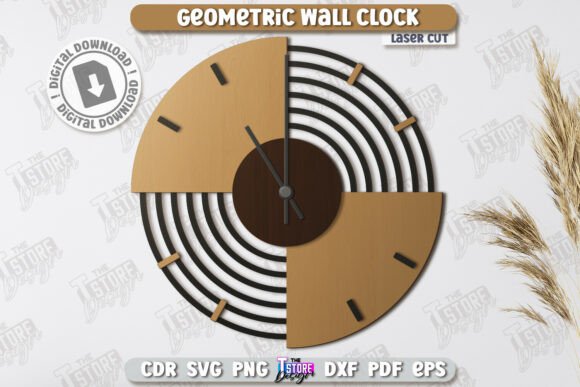
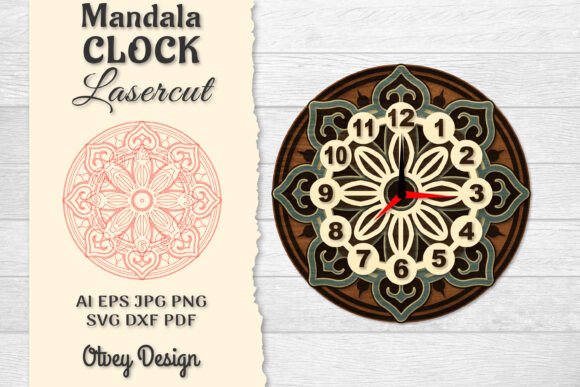
What makes these designs distinct from generic clock faces is the layering potential. Many mandala patterns are designed to be cut from multiple materials—such as wood, acrylic, or metal—and stacked to create depth. This three-dimensional aspect adds shadow and texture, changing the appearance of the clock throughout the day as light shifts. However, this complexity requires precise file preparation. A design that looks stunning on screen may fail in production if the tolerance between layers is too tight or if the intricate details exceed the kerf width of the laser beam.
Evaluating File Formats: What You Get and Why It Matters
When acquiring digital assets for laser cutting, the versatility of the file formats provided is often more important than the design itself. A comprehensive package ensures compatibility across different software ecosystems and machinery. Typically, a high-quality download for a Clock Mandala Lasercut will include a ZIP file containing several key formats: AI, PDF, EPS, JPG, PNG, SVG, and DXF. Understanding the role of each format helps streamline your workflow.
- AI (Adobe Illustrator) and EPS: These are vector-based formats ideal for professional designers using Adobe Creative Cloud. They allow for easy editing of nodes, scaling without loss of quality, and separation of layers for multi-material projects.
- SVG (Scalable Vector Graphics): This is the universal standard for many hobbyist laser cutters and web-based design tools. It is lightweight and widely supported by software like LightBurn, LaserGRBL, and various online converters.
- DXF (Drawing Exchange Format): Essential for users operating CAD software or older industrial laser systems. DXF files preserve geometric data accurately, ensuring that dimensions remain precise during import.
- PDF: Often used for quick previews or printing templates. While not always editable for cutting paths, it provides a reliable reference for scale and layout.
- JPG and PNG: These raster images are useful for visual references, marketing materials, or sublimation printing. They do not contain cut paths but help visualize the final product’s appearance.
Having access to this full suite of formats eliminates the need for third-party conversion tools, which can sometimes introduce errors such as broken paths or shifted anchor points. For those new to laser cutting, starting with the SVG or DXF file is often recommended due to their straightforward integration with most entry-level laser software.
Comparing Mandala Clocks to Minimalist and Traditional Styles
Choosing a clock face design involves balancing aesthetics with usability. When comparing a Clock Mandala Lasercut to other popular styles, several tradeoffs emerge.
Minimalist Designs: These feature clean lines, sparse markers, and ample negative space. They are highly readable from a distance and require less machine time to cut. However, they may lack the visual impact desired for a statement piece. Minimalist clocks are best suited for modern, corporate, or clutter-free environments where function outweighs decoration.
Traditional Numeral Clocks: Using Roman or Arabic numerals offers immediate readability. This style is timeless and universally understood. The downside is that it limits creative expression and may not integrate seamlessly with bohemian, eclectic, or spiritually themed interior decor.
Mandala Designs: The primary strength of the mandala style is its artistic value. It transforms a utilitarian object into a conversation starter. The radial symmetry draws the eye inward, creating a calming effect. The limitation, however, is readability. Intricate patterns can obscure hour markers if not designed carefully. Additionally, cutting a complex mandala takes significantly longer than a simple circle, increasing wear on laser lenses and consuming more material if nesting is inefficient.
For makers selling finished products, mandala clocks often command a higher price point due to their perceived artistic value. For personal use, they serve as excellent practice pieces for mastering intricate cuts and layer alignment.
Material Considerations and Production Tips
The success of a Clock Mandala Lasercut project depends heavily on material selection. Wood, particularly plywood and bamboo, offers warmth and natural grain variation that complements the organic nature of mandalas. Acrylic provides a sleek, modern look and allows for backlighting effects, which can highlight the intricate cutouts. Metal sheets, cut via fiber laser, offer durability and an industrial aesthetic but require different handling and safety precautions.
When working with layered mandala designs, consider the thickness of each material. Standard 3mm plywood is common, but combining 3mm base layers with 1.5mm accent layers can create subtle depth without making the clock overly bulky. Ensure that the clock mechanism shaft is long enough to accommodate the total thickness of all layers plus the nut and hands.
Finishing also plays a critical role. Sanding between layers can remove char marks from the laser, while staining or painting individual layers before assembly can enhance contrast. For acrylic, removing the protective mask after cutting reveals crisp, clean edges that emphasize the precision of the design.
Decision Factors: Is This Design Right for You?
Before downloading or purchasing a Clock Mandala Lasercut file, consider your specific context. This design is an excellent choice if:
- You have a laser cutter capable of handling detailed vector paths without excessive burning.
- You are creating a gift or decor piece for a space that benefits from calming, symmetrical art.
- You enjoy the process of assembly and finishing, as these designs often involve multiple steps.
- You want a unique product that stands out from mass-produced retail clocks.
Conversely, you might prefer a simpler alternative if:
- You are producing items in high volume where speed is critical.
- The end-user requires instant, effortless readability from across a room.
- You are using a low-power diode laser that struggles with fine details or thick materials.
- You are new to laser cutting and want to minimize the risk of material waste.
Final Thoughts on Integrating Art and Time
The Clock Mandala Lasercut represents a harmonious blend of engineering and artistry. It challenges the maker to consider not just how a object functions, but how it feels within a space. By carefully selecting the right file formats, understanding the material implications, and weighing the aesthetic tradeoffs against simpler designs, you can make an informed decision that suits your creative vision. Whether you are a seasoned professional expanding your product line or a hobbyist looking for a rewarding weekend project, these designs offer a rich canvas for exploration. Take the time to review the included files, plan your material usage, and approach the assembly with patience. The result is not just a clock, but a personalized piece of functional art that reflects a commitment to detail and beauty.