Floss Bobbin Laser Cut: A Guide to Digital Design Files for Crafters
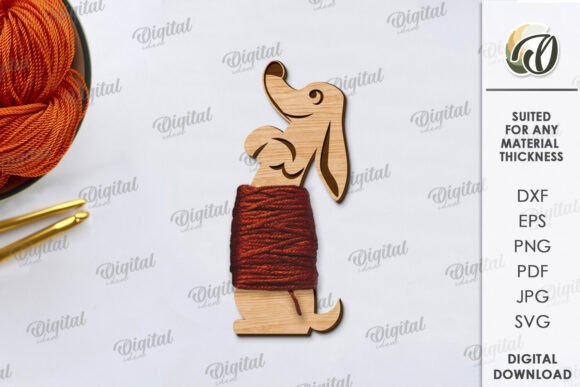
In the evolving landscape of digital crafting, precision and convenience have become paramount. One specific niche that has gained traction among hobbyists and professional makers alike is the Floss Bobbin Laser Cut design. For those unfamiliar with the term, this refers to a digital template used primarily with laser cutting machines to create custom storage solutions for embroidery floss, thread, or yarn. However, it is crucial to understand from the outset that when you purchase a Floss Bobbin Laser Cut file, you are acquiring a digital product. No physical goods will be sent to your address. The photos associated with such listings are intended only for inspiration, showcasing what can be achieved once the digital files are utilized with appropriate materials and machinery.
Understanding the Digital Product
The core of this offering is a zip folder containing one comprehensive design available in multiple file formats, including SVG, DXF, EPS, PDF, JPEG, and PNG. This versatility is not merely a technical detail but a significant functional benefit. Different laser cutting software and CNC machines require specific vector or raster formats to interpret cut lines accurately. By providing a wide array of formats, the designer ensures compatibility with popular platforms such as LightBurn, RDWorks, Adobe Illustrator, CorelDRAW, and various browser-based cutting apps.
The design itself typically features interlocking pieces or slots specifically engineered to hold standard floss bobbins. These bobbins are small spools used to organize embroidery threads by color. A laser-cut holder allows crafters to visualize their color palette, protect threads from tangling, and maintain a tidy workspace. The "Floss Bobbin Laser Cut" file provides the geometric blueprint for these holders, allowing users to replicate the design infinitely using materials of their choice, such as acrylic, wood, or cardboard.
Why Choose a Digital Template?
There are several compelling reasons why an individual might seek out a Floss Bobbin Laser Cut file rather than purchasing a pre-made physical organizer. The primary driver is customization. When you possess the digital file, you have complete control over the material selection. You might prefer the warm aesthetic of birch plywood for a home studio or the durability and modern look of cast acrylic for a professional office environment. This level of personalization is impossible with mass-produced physical items.
Furthermore, the possibilities of creation are endless. While the base design remains consistent, users can scale the file, adjust tolerances for different material thicknesses, or integrate the bobbin holder into larger organizational systems. For educators or small business owners, having access to the source file means they can produce multiple units for students or inventory without recurring manufacturing costs, aside from material and machine time.
Benefits and Practical Considerations
The benefits of utilizing a high-quality SVG or DXF file for this purpose are substantial. Firstly, it promotes sustainability. Crafters can use scrap materials that might otherwise be discarded, turning waste into functional art. Secondly, it offers cost efficiency over time. While the initial investment includes the cost of the digital file and access to a laser cutter, the per-unit cost of producing a bobbin holder drops significantly compared to buying retail organizers.
However, there are tradeoffs and considerations to keep in mind. The most significant barrier is the requirement for hardware. To use a Floss Bobbin Laser Cut file effectively, you must have access to a laser cutter or a service that provides laser cutting. For casual crafters who do not own such equipment, this may necessitate visiting a local makerspace or using an online fabrication service, which adds time and potential shipping costs to the project.
Additionally, working with digital files requires a basic understanding of vector graphics. While the provided JPEG and PNG files offer visual references, the actual cutting process relies on the vector data in the SVG, DXF, or EPS files. Users must ensure their software correctly interprets cut lines versus engrave lines. Misconfiguration can lead to wasted material or incomplete cuts. Therefore, this product is best suited for individuals who are comfortable with digital design tools or are willing to learn the basics of laser cutting software.
Ideal Use Cases
A Floss Bobbin Laser Cut design is a strong fit for several specific scenarios. It is ideal for embroidery enthusiasts who manage large collections of thread colors and need a systematic way to store them. It is also an excellent solution for creating original designs for home or office decor, as the holders can be mounted on walls or arranged on desks in aesthetically pleasing patterns. Small business owners who sell handmade embroidered goods may find these holders useful for organizing inventory or even as add-on products for their customers.
Educators in textile arts or design classes can also benefit from this resource. Providing students with a standardized digital file allows them to focus on material experimentation and assembly techniques rather than spending excessive time on design creation. This streamlines the learning process and ensures that all students start with a functional, tested template.
When to Consider Alternatives
Despite its advantages, a digital laser cut file may not be the right choice for everyone. If you do not have access to a laser cutter and do not wish to engage with third-party cutting services, a pre-made plastic or wooden organizer from a retail store may be more practical. Similarly, if you are looking for a quick, immediate solution without any assembly required, a physical product is superior. The digital route involves download time, file preparation, material sourcing, cutting, and assembly.
Moreover, if your needs are highly specialized—for instance, if you use non-standard bobbin sizes that differ significantly from industry norms—you may need to modify the digital file extensively. In such cases, hiring a custom designer or creating a bespoke model from scratch might be more efficient than adapting a generic template. Always measure your existing bobbins and compare them to the specifications implied by the design previews before purchasing.
Making an Informed Decision
To determine whether a Floss Bobbin Laser Cut file aligns with your goals, evaluate your current resources and objectives. Ask yourself if you value customization and repeatability over immediate convenience. Consider whether you have the technical setup to process SVG or DXF files. If you enjoy the process of making and have access to the necessary tools, this digital product offers a high degree of creative freedom and utility.
It is also wise to review the file formats included in the zip folder to ensure they match your software capabilities. If you are unsure about compatibility or have specific questions regarding the design dimensions or material recommendations, proactive communication is key. Thank you for visiting my store, and please write me a message if you have a question. Clear communication can prevent misunderstandings regarding the digital nature of the product and ensure a smooth transaction.
In conclusion, the Floss Bobbin Laser Cut file represents a bridge between digital design and tangible organization. It empowers users to create tailored solutions for their crafting needs while fostering a deeper engagement with the materials and tools they use. By understanding the requirements and potential of this digital asset, you can make a confident decision that enhances your creative workflow. Happy shopping.